
Distilled Water Shortage is an essential product used in homes, hospitals, laboratories, and industries. It is purified through a distillation process that removes minerals, chemicals, and impurities, making it ideal for medical devices, car batteries, humidifiers, and drinking in certain situations.
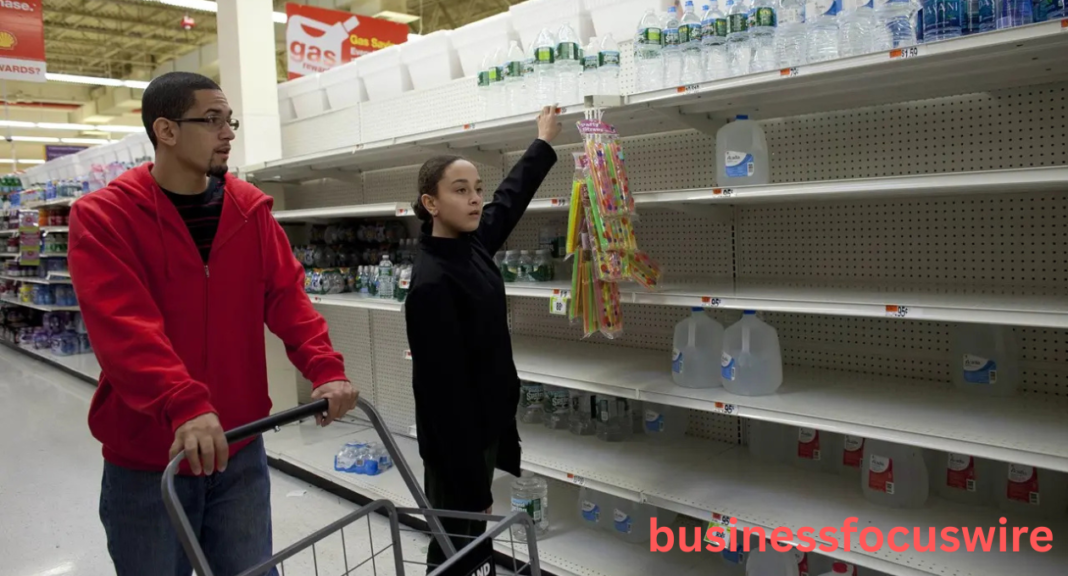
In recent years, many consumers have noticed empty shelves and limited supplies at stores, raising concerns about a distilled water shortage. While shortages are often temporary, they can create inconvenience and uncertainty for households and businesses that rely on this specialized product..
What Is Distilled Water?
Distilled water is water that has been boiled into steam and then condensed back into liquid form. This process removes most contaminants, including minerals, bacteria, and dissolved solids.
Because of its high purity, distilled water is commonly used for:
- CPAP machines
- Humidifiers
- Steam irons
- Medical equipment
- Laboratory experiments
- Automotive batteries
- Certain industrial applications
Its unique purification process makes it different from filtered, spring, or purified bottled water.
Why Is Distilled Water Important?
Many medical devices and household appliances require mineral-free water to prevent buildup and damage.
For example, CPAP users often rely on distilled water because minerals in regular tap water can leave deposits inside the machine. Similarly, humidifiers perform better and produce fewer airborne particles when used with distilled water.
This dependence means even a short-term shortage can affect many people.
Why Is There a Distilled Water Shortage?
Several factors can contribute to a distilled water shortage. Usually, there is not a single cause but a combination of supply and demand issues.
1. Increased Consumer Demand
One of the biggest reasons for shortages is a sudden increase in demand.
During health emergencies or natural disasters, consumers often buy larger quantities of bottled water, including distilled water. Panic buying can quickly empty store shelves, even when manufacturers continue producing at normal levels.
Higher demand from CPAP users and healthcare facilities can also strain supply chains.
2. Manufacturing Challenges
Producing distilled water requires specialized equipment and energy-intensive processes.
If a manufacturing plant experiences maintenance issues, labor shortages, or operational disruptions, production may decrease temporarily.
In some cases, companies prioritize producing regular bottled water because it serves a larger market, leaving less capacity for distilled water production.
3. Transportation and Supply Chain Problems
Supply chain disruptions have affected many products worldwide, and distilled water is no exception.
Transportation delays, fuel price increases, truck driver shortages, and warehouse issues can all slow deliveries to retailers.
Even if manufacturers have enough inventory, getting products to stores on time can become difficult.
4. Seasonal Demand Fluctuations
Demand for distilled water often rises during certain times of the year.
For example, people use more humidifiers during colder months, increasing the need for distilled water. Seasonal spikes can temporarily exceed available supply in some regions.
Retailers may struggle to keep shelves stocked until production catches up.
Effects of the Distilled Water Shortage
A shortage of distilled water can impact consumers, healthcare providers, and businesses.
Household Challenges
Many households use distilled water daily for appliances such as:
- Humidifiers
- Steam irons
- CPAP machines
- Essential oil diffusers
When supplies become limited, consumers may need to visit multiple stores or pay higher prices online.
Healthcare Concerns
Healthcare facilities depend on distilled water for sterilization and medical equipment.
Although hospitals usually maintain backup supplies, prolonged shortages can increase operational costs and require alternative sourcing strategies.
Patients who use medical devices at home may also experience stress when they cannot find distilled water easily.
Higher Prices
Limited availability often leads to higher prices.
Retailers may impose purchase limits to prevent hoarding, while online sellers sometimes charge significantly more than normal retail prices.
As a result, consumers may spend extra money on a product they previously purchased without difficulty.
Can You Make Distilled Water at Home?
Yes, distilled water can be made at home using simple equipment.
The basic process involves:
- Boiling water in a pot.
- Capturing the steam.
- Cooling the steam until it condenses back into liquid.
- Collecting the purified water in a clean container.
Is Homemade Distilled Water Safe?
Homemade distilled water can be safe if prepared carefully and stored in sanitized containers.
However, home distillation may not produce the same level of purity as commercial systems used by manufacturers.
For medical devices such as CPAP machines, users should follow the manufacturer’s recommendations and consult healthcare professionals if distilled water is unavailable.
Alternatives to Distilled Water
If distilled water is temporarily unavailable, consumers may consider alternatives depending on the intended use.
Possible alternatives include:
- Reverse osmosis water
- Deionized water
- Purified bottled water
- Filtered water
However, not all alternatives are suitable for every application.
Check Appliance Instructions
Before using another type of water, read the appliance or device manual carefully.
Some manufacturers specifically recommend distilled water because mineral-free water helps prevent scale buildup and extends the life of the equipment.
Using the wrong type of water may reduce efficiency or void warranties.
Will the Distilled Water Shortage End?
In most cases, distilled water shortages are temporary.
Manufacturers often increase production when demand rises, while retailers adjust inventory levels to meet customer needs.
As supply chains improve and transportation becomes more efficient, availability typically returns to normal.
Consumers who purchase only what they need can also help reduce shortages by preventing unnecessary stockpiling.
Conclusion
The distilled water shortage has caused frustration for many consumers, but it is usually the result of temporary supply and demand imbalances.
Factors such as increased consumer demand, manufacturing challenges, transportation delays, and seasonal usage all play a role in limiting availability.
Fortunately, most shortages improve over time as manufacturers expand production and supply chains stabilize. In the meantime, consumers can explore alternatives, make small amounts at home, and purchase responsibly to ensure everyone has access to this important product.
Understanding the causes of the shortage can help consumers make informed decisions and prepare for future supply disruptions.
Faqs
1. Why is there a distilled water shortage?
The distilled water shortage is mainly caused by increased consumer demand, manufacturing delays, transportation issues, and seasonal demand spikes. These factors can temporarily reduce product availability in stores.
2. Is distilled water still being produced?
Yes, distilled water is still being produced by manufacturers. Most shortages are temporary and are usually related to supply chain or distribution problems rather than a complete halt in production.
3. How long will the distilled water shortage last?
The duration of a distilled water shortage varies by location and supply conditions. In most cases, availability improves as manufacturers increase production and retailers restock their shelves.
4. Can I use purified water instead of distilled water?
It depends on the application. Purified water may work for some uses, but medical devices and certain appliances often require distilled water. Always check the manufacturer’s instructions before using an alternative.
5. Can I make distilled water at home?
Yes, you can make distilled water at home by boiling water, collecting the steam, and condensing it back into liquid. However, homemade distilled water may not be as pure as commercially produced distilled water.